Ireland:
  US:
US:  Canada:
  Australia:
  India:
  UK:
UK: 
What Work Experience Do Medical Schools Prefer?
Applying to Medical School: Why Work Experience Matters
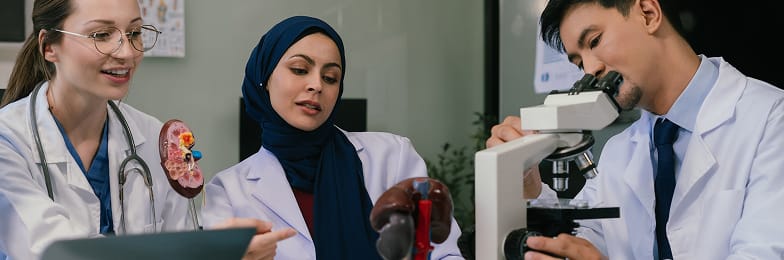
Applying to medical school is about much more than achieving excellent grades. Admissions tutors want to see evidence that applicants understand the realities of a career in medicine and have developed the qualities needed to succeed in a demanding healthcare environment. Work experience is one of the most effective ways to demonstrate this, giving students valuable insight into patient care while helping them develop communication, professionalism and empathy.
Although entry requirements vary between universities, medical schools across the UK, Europe and the Caribbean consistently value applicants who have gained meaningful experience and can reflect on what they have learned. The focus is not simply on where you completed your work experience, but on how those experiences have prepared you for studying medicine and working with patients.
Why Is Work Experience Important?
Medicine is a profession centred on people. While academic achievement shows that applicants can manage the scientific demands of a medical degree, work experience demonstrates qualities that grades alone cannot measure.
Admissions tutors look for students who have explored healthcare environments, observed the responsibilities of medical professionals and developed a realistic understanding of the profession. Work experience also helps applicants confirm that medicine is the right career choice while providing valuable examples for personal statements and interviews.
The strongest applicants show curiosity, maturity and a willingness to learn rather than simply completing placements to strengthen their application.
Hospital Work Experience
Hospital placements remain one of the most valuable forms of medical work experience.
Observing doctors, nurses and allied healthcare professionals provides insight into patient care, multidisciplinary teamwork and the day-to-day operation of clinical environments. Students gain a better understanding of the responsibilities involved in delivering safe, effective healthcare.
Even short hospital placements can make a positive impression if applicants can explain what they observed and how the experience strengthened their motivation to study medicine.
Doctor Shadowing
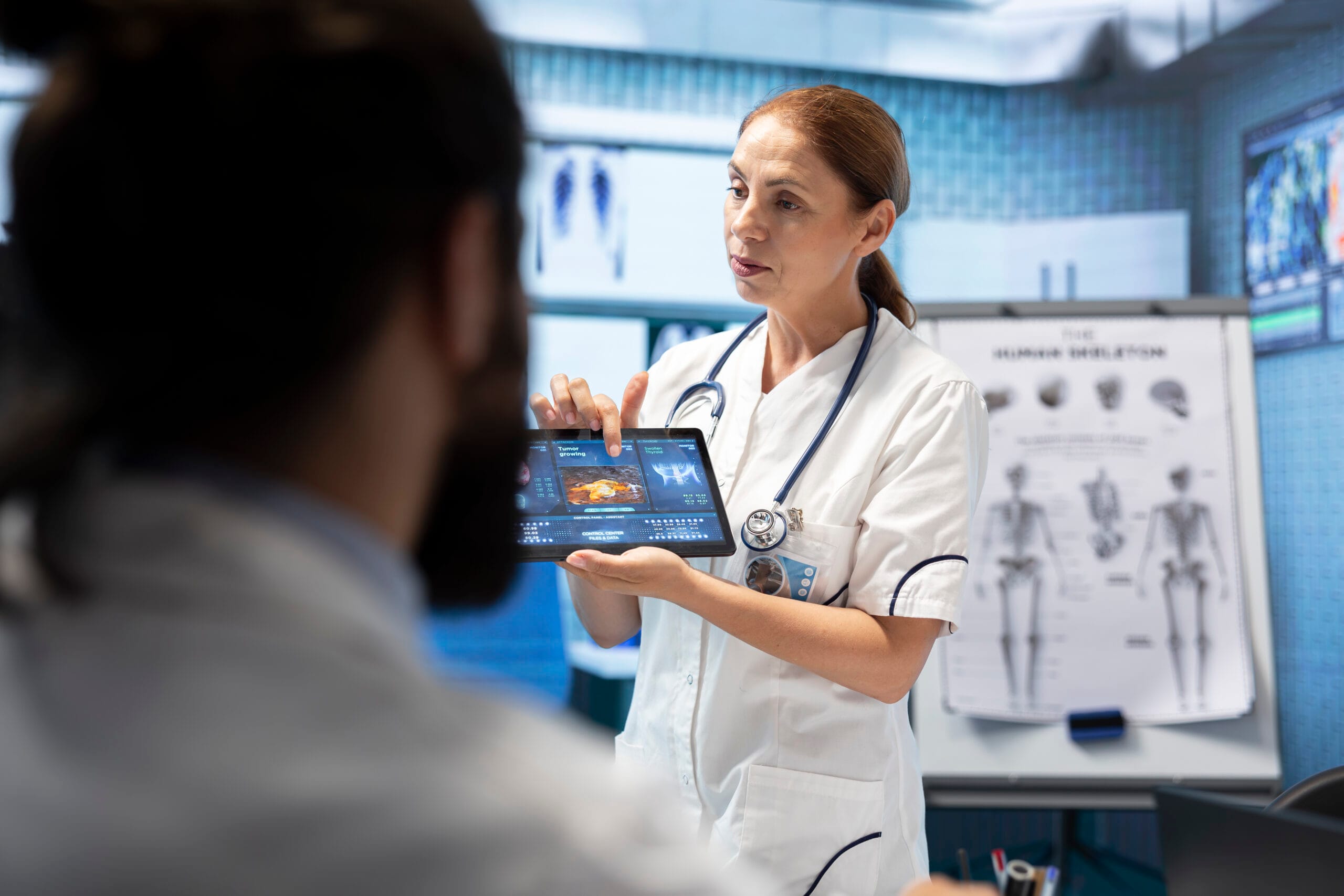
Shadowing a doctor offers a unique opportunity to experience clinical practice first-hand.
Students can observe patient consultations, communication between healthcare professionals and the decision-making involved in diagnosis and treatment. This helps applicants appreciate both the rewards and challenges of becoming a doctor.
Medical schools understand that shadowing opportunities are not available to everyone, so they place greater emphasis on what applicants learned rather than the length of the placement.
Volunteering in Healthcare
Volunteering demonstrates compassion, commitment and a genuine interest in helping others.
Hospitals, hospices, charities, rehabilitation centres and community health organisations all offer opportunities for students to develop communication skills while supporting patients and healthcare teams. Long-term volunteering often carries greater value because it reflects reliability and sustained commitment.
Volunteering outside healthcare can also strengthen an application if it involves supporting vulnerable people or serving the wider community.
Care Home and Community Experience
Many applicants overlook care homes, yet they provide excellent experience for future medical students.
Supporting elderly residents helps students develop empathy, patience and communication while gaining insight into long-term care and chronic health conditions. Community healthcare settings also demonstrate that medicine extends beyond hospitals and requires doctors to build lasting relationships with patients.
These experiences develop many of the qualities admissions tutors expect to see in successful applicants.
GP Work Experience
General practice provides a different perspective on medicine from hospital settings.
Observing a GP allows students to see how doctors diagnose illness, manage long-term conditions and support patients throughout different stages of life. Applicants also gain an appreciation of preventative healthcare, continuity of care and the importance of effective communication.
Understanding the role of primary care demonstrates a broader awareness of modern healthcare systems.

Does Paid Healthcare Work Help?
Employment within healthcare can significantly strengthen a medical school application.
Roles such as healthcare assistant, care worker, pharmacy assistant or medical receptionist help applicants develop professionalism, teamwork and responsibility while working alongside healthcare professionals. These experiences demonstrate maturity and provide valuable insight into patient care and clinical environments.
Medical schools value applicants who understand professional standards and can work effectively with others.
What If You Cannot Get Hospital Work Experience?
Many students worry because they cannot secure hospital placements. Fortunately, medical schools recognise that opportunities vary depending on location and availability.
Experience gained through volunteering, care homes, community projects, customer-facing employment or virtual healthcare programmes can all demonstrate transferable skills that are highly relevant to medicine. Admissions tutors are looking for evidence of empathy, communication, resilience and commitment rather than one specific type of placement.
Applicants should focus on making the most of the opportunities available to them.
How Medical Schools Assess Work Experience
Medical schools across the UK, Europe and the Caribbean all value meaningful work experience, although the way it is considered varies between institutions.
In the UK, admissions tutors often expect applicants to demonstrate commitment to caring professions through healthcare experience or volunteering. European medical schools may place greater emphasis on academic achievement and interviews, while still recognising the value of relevant experience. Caribbean medical schools also adopt a holistic approach, considering academic performance alongside motivation, maturity and practical exposure to healthcare.
Because every university has different admissions requirements, researching individual programmes is essential. Study Medicine Europe helps prospective students understand these differences and prepare applications that meet the expectations of medical schools across Europe and the Caribbean.
Reflection Is What Makes Experience Valuable
Completing work experience alone is not enough. Admissions tutors want applicants who can explain what they learned and how their experiences influenced their decision to study medicine.
Students should reflect on patient communication, teamwork, professionalism and the challenges faced by healthcare professionals. These reflections often provide the strongest examples during personal statements and interviews because they demonstrate genuine understanding rather than simply listing completed placements.
Conclusion
There is no single type of work experience that guarantees admission to medical school. Instead, universities are looking for applicants who have taken the initiative to understand the profession, developed valuable interpersonal skills and demonstrated a genuine commitment to caring for others.
Hospital placements, doctor shadowing, volunteering, GP observation, care home experience and healthcare employment can all strengthen a medical school application when supported by thoughtful reflection and strong academic achievement.
For students exploring medical degree opportunities across Europe and the Caribbean, Study Medicine Europe provides expert guidance on university admissions, helping applicants understand entry requirements and prepare competitive applications with confidence.

Frequently Asked Questions
What work experience do medical schools prefer?
Medical schools value healthcare-related experience such as hospital placements, doctor shadowing, GP observation, volunteering, care home experience and healthcare employment. The quality of the experience and what applicants learn from it are often more important than the number of hours completed.
Is hospital work experience essential for medical school?
No. While hospital placements are beneficial, many medical schools also recognise volunteering, community healthcare, care home experience and other opportunities that demonstrate communication skills, empathy and commitment to caring for others.
Do European medical schools require work experience?
Requirements vary between universities. Some European medical schools do not require formal work experience, but relevant healthcare experience can strengthen an application and help applicants perform more confidently during interviews.
Can virtual work experience help my medical school application?
Yes. Many universities recognise virtual healthcare programmes as valuable preparation, particularly when students reflect on what they have learned and combine them with other relevant experiences where possible.
How can I make my medical school application more competitive?
Alongside strong academic performance, applicants should gain meaningful work experience, develop communication and leadership skills, prepare thoroughly for interviews and demonstrate a genuine understanding of the medical profession through thoughtful reflection on their experiences.