Ireland:
 US:
 Canada:
 Australia:
 India:
 UK:

Medicine After Nursing
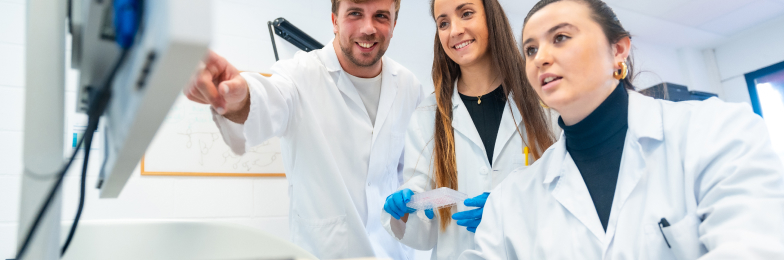
For registered nurses considering a different professional direction, studying medicine offers an opportunity to build on their healthcare experience while developing new clinical knowledge and responsibilities. Nurses already work closely with patients, participate in clinical decision-making and understand the demands of healthcare environments. However, becoming a doctor involves a separate educational pathway that requires a different approach to diagnosis, investigation and medical management.
The decision to study medicine often develops through professional experience. Nurses may become increasingly interested in understanding the causes of disease, interpreting diagnostic findings or taking responsibility for medical treatment decisions. Their experience can provide a valuable perspective on these activities, although it does not replace the academic and clinical requirements of a medical degree.
For British nurses considering medical education in the UK, Europe or the Caribbean, the transition involves more than meeting admission requirements. It requires adapting to a different professional role, developing new ways of approaching clinical problems and learning to apply medical knowledge across a broad range of conditions.
Why Nursing Experience Can Be Valuable in Medical School
Registered nurses enter medical education with an understanding of patient care that many students develop only after beginning clinical training. Depending on their professional background, they may already be familiar with patient assessments, clinical documentation, hospital procedures and communication within multidisciplinary teams.
Experience of recognising clinical deterioration, prioritising care and communicating concerns can be particularly useful. Nurses understand that clinical decisions must account for changes in a patient's condition, available information and the practical circumstances of delivering treatment.
Nursing also develops interpersonal skills that remain important throughout medical education. Communicating with distressed patients, explaining procedures and supporting families require empathy, professionalism and an awareness of individual needs.
These experiences can help former nurses relate theoretical medical knowledge to real clinical situations. A student who has previously cared for patients with respiratory disease, for example, may recognise the clinical significance of breathlessness, oxygen saturation and changes in respiratory rate while studying the underlying physiology.
However, previous experience does not mean that nurses will find every aspect of medical school easier. The advantage lies primarily in their familiarity with patient care and their ability to connect new concepts with practical experience.
Understanding the Different Responsibilities of Nurses and Doctors
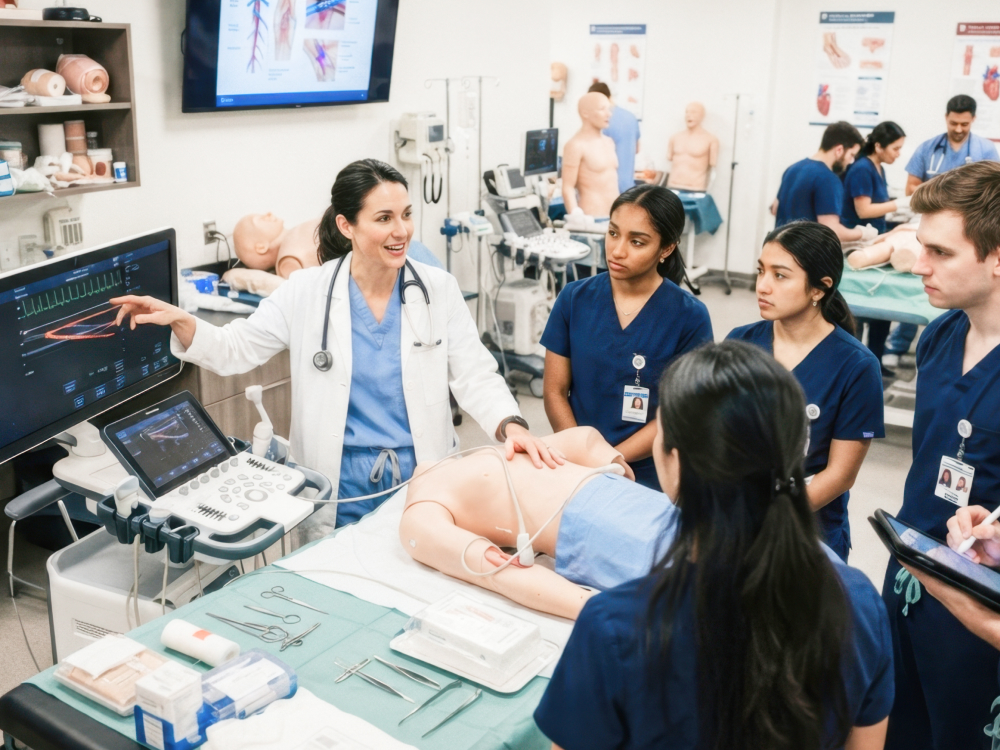
Nursing and medicine are distinct professions that share responsibility for delivering safe and effective patient care. Both involve clinical judgement, professional accountability and evidence-based practice, but their educational requirements and areas of responsibility differ.
Registered nurses assess patients, plan and evaluate nursing care, administer treatments within their competence and contribute to clinical decisions. Nurses working in advanced or specialist roles may also undertake prescribing, complex assessments and other responsibilities supported by their qualifications and professional competence.
Doctors receive education focused on investigating, diagnosing and managing disease across a broad range of medical conditions. Their training includes developing differential diagnoses, interpreting investigations and determining medical management within their level of competence and supervision.
The distinction is not simply that nurses care for patients while doctors make decisions. Both professions involve clinical reasoning, communication and direct patient care, with responsibilities that may overlap in particular settings.
For nurses entering medical school, understanding these differences helps establish realistic expectations. The objective is not to replace existing professional skills but to develop the knowledge and competencies required for a different clinical role.
Moving From Clinical Observations to Diagnostic Reasoning
One of the most important academic adjustments for nurses studying medicine is the development of diagnostic reasoning. Nursing practice involves recognising symptoms, assessing patients and identifying changes that require intervention. Medical education develops these skills further through the systematic investigation of possible diagnoses and their underlying causes.
Consider a patient presenting with shortness of breath. An experienced nurse may recognise abnormal observations, assess the patient's immediate needs and initiate appropriate actions within their professional responsibilities.
A medical student must also learn to consider the possible causes of the presentation, including respiratory, cardiovascular and other conditions. This involves developing a differential diagnosis, identifying relevant clinical findings and understanding which investigations may help distinguish between possible explanations.
The same principle applies to familiar conditions such as diabetes, heart failure and infection. Previous nursing experience may provide knowledge of treatment and monitoring, while medical education requires a more detailed understanding of disease mechanisms and the reasoning behind diagnostic and management decisions.
Learning to approach clinical problems in this way takes practice. It requires students to move beyond recognising familiar patterns and develop the ability to investigate unfamiliar presentations systematically.
Developing a Deeper Understanding of Medical Sciences
Medical education requires students to develop detailed knowledge of subjects including anatomy, physiology, biochemistry, pathology, pharmacology and microbiology. Although these disciplines are also relevant to nursing, their depth and integration may differ between educational programmes.
A nurse who has worked with patients receiving antibiotics may understand the importance of administration schedules, monitoring and adverse effects. Medical study develops further knowledge of antimicrobial mechanisms, microbial resistance, treatment selection and the relationship between laboratory findings and clinical management.
Similarly, nurses caring for patients with cardiovascular conditions may be familiar with monitoring blood pressure, heart rate and fluid balance. Medical education requires students to explore the physiological mechanisms responsible for these findings and understand how different diseases affect cardiovascular function.
This scientific emphasis can be demanding for nurses who have spent several years in clinical practice. Some may need to revisit subjects they have not studied formally since completing their nursing qualifications.
Preparing for this transition may involve reviewing foundational biomedical sciences and becoming familiar with the methods used to assess medical knowledge. The objective is not simply to memorise more information but to understand how scientific concepts explain clinical findings.

Adapting to Medical Clinical Training
Clinical placements are an important part of medical education, allowing students to apply academic knowledge in healthcare environments. Nurses may initially feel comfortable in these settings because they understand hospital routines, patient communication and the practical demands of clinical work.
However, the expectations placed on medical students differ from those associated with registered nursing practice. Medical students must learn to obtain histories for diagnostic purposes, perform examinations appropriate to their training and present clinical findings to supervising doctors.
A former nurse may already be confident speaking with patients but need additional practice in structuring a medical history or presenting a differential diagnosis. Familiarity with the clinical environment can support learning, but it does not establish competence in these new activities.
Clinical supervision is therefore essential, regardless of previous professional experience. Students must demonstrate the required medical competencies and remain within the responsibilities permitted by their programme.
Nurses who continue working in their original profession alongside medical school must also maintain clear professional boundaries. Their responsibilities as registered nurses remain separate from those undertaken as medical students, and each role must be performed within its applicable scope of practice.
The Challenge of Returning to Student Status
For nurses who have worked independently for several years, returning to full-time education can require a considerable adjustment. Someone accustomed to making decisions within an established professional role may find it unfamiliar to become a student again.
This change can be particularly noticeable during practical teaching. A former nurse may have substantial experience in a particular clinical setting while being relatively inexperienced in the medical competencies being assessed.
Accepting supervision and constructive feedback is an important part of this transition. Previous experience should provide confidence in existing abilities without creating an expectation that new medical skills will develop automatically.
The academic workload can also differ from professional nursing practice. Medical students must regularly study large amounts of material, prepare for examinations and integrate knowledge across different body systems.
Nurses returning to education may benefit from establishing consistent study routines and adapting their learning methods to the demands of medical assessments. Professional experience provides useful context, but academic progression still depends on meeting the programme's requirements.
Can a Nursing Qualification Be Used to Enter Medical School?
Registered nurses may be eligible to apply to medical school using their existing academic qualifications. However, the acceptance of nursing degrees varies between institutions, and professional registration alone does not establish eligibility for admission.
Some medical programmes accept nursing qualifications, while others require particular science subjects or specified previous academic study. Applicants should confirm how their nursing degree and any additional qualifications will be assessed.
Previous nursing experience does not automatically provide exemptions from the medical curriculum or permit advanced entry. Medical schools establish their own academic requirements, and students must complete the education necessary for the medical qualification awarded.
For nurses whose qualifications were obtained several years earlier, it may be useful to review their academic transcripts and identify the biomedical sciences covered during their original training. This can help clarify whether additional academic preparation may be necessary before beginning medicine.
How Previous Nursing Experience Can Influence Learning
Nurses may approach medical education differently from students entering directly from school or another academic discipline. Their previous experience can influence how they interpret clinical examples, recognise the importance of particular topics and understand the consequences of medical decisions.
For example, a nurse who has cared for patients following surgery may already appreciate the importance of monitoring complications and supporting recovery. During medical training, this experience can provide context for studying surgical indications, perioperative risk and postoperative management.
Nurses may also bring an understanding of how treatment decisions affect the wider healthcare team. They have often observed how prescriptions, investigation requests and discharge plans influence the work of different professionals.
This perspective can be valuable when learning about multidisciplinary care. Medical decisions do not occur in isolation, and effective treatment depends on communication, coordination and an understanding of the responsibilities of other healthcare professionals.
At the same time, previous experience can create assumptions that need to be reconsidered. Medical education requires students to examine clinical evidence, question initial impressions and recognise when familiar presentations may have unexpected causes.
The ability to combine professional experience with openness to new knowledge is therefore particularly important for nurses entering medicine.
Studying Medicine After Nursing in Europe and the Caribbean
British nurses considering medical education outside the UK may explore programmes in Europe and the Caribbean. The relevance of their previous nursing qualifications depends on the admissions requirements and academic structure of the individual medical school.
Some institutions may consider nursing degrees as evidence of previous university-level study, while others examine the specific science subjects completed. Applicants may therefore need to provide detailed academic transcripts showing the content and level of their previous education.
The treatment of prior qualifications can vary considerably. A nursing degree that satisfies the academic requirements of one institution may not meet those of another, particularly where specified coursework in biology, chemistry or other sciences is required.
Study Medicine Europe provides information about medical education opportunities in Europe and the Caribbean, helping prospective students explore different institutions and programmes. Nurses considering these destinations should establish how their previous academic qualifications will be evaluated rather than assuming that professional healthcare experience guarantees admission.
Those intending to practise in the UK after graduating abroad should also check the applicable medical registration requirements. Nursing registration is separate from registration as a doctor, and overseas medical qualifications must satisfy the relevant criteria of the General Medical Council (GMC).

How Nursing Experience May Shape a Future Medical Career
A nursing background may continue to influence how a graduate approaches medical practice. Experience of direct patient care can contribute to an understanding of the practical and emotional consequences of illness, while familiarity with multidisciplinary working may support communication across clinical teams.
Former nurses may also have a particular appreciation of continuity of care. Their experience can help them understand how medical decisions affect patients during treatment, recovery and discharge.
Previous clinical experience may influence professional interests without determining a future specialty. Someone who worked in mental health nursing may develop an interest in psychiatry, while a nurse with experience in critical care may be attracted to intensive care medicine or anaesthesia.
However, nursing experience does not automatically provide specialist recognition or shorten postgraduate medical training. Graduates must meet the requirements of their chosen medical career pathway.
Medical school may also introduce former nurses to disciplines they have not previously encountered in depth. Maintaining an open mind allows them to explore different areas of medicine and make informed decisions about their professional development.
Preparing for the Transition From Nursing to Medicine
Nurses considering medical school can benefit from reflecting on the knowledge and skills they already possess and identifying areas that require further development. Previous clinical experience may support patient communication and familiarity with healthcare environments, while biomedical sciences and diagnostic reasoning may require additional preparation.
It is also useful to consider the practical implications of returning to education. Medical training involves sustained academic commitment, supervised clinical learning and the development of competencies that differ from those required in nursing.
For nurses exploring international medical education, Study Medicine Europe can provide a starting point for investigating opportunities in Europe and the Caribbean. Applicants should then confirm the academic requirements and professional implications of their chosen programme.
Ultimately, studying medicine after nursing represents the development of a new professional identity rather than a straightforward progression within the same profession. Previous nursing experience can provide valuable insight into patient care, but becoming a doctor requires the acquisition of a distinct body of medical knowledge, clinical reasoning skills and professional responsibilities.
Frequently Asked Questions
1. Can a registered nurse study medicine?
Yes, registered nurses can apply to medical school if they meet the relevant academic requirements. Their previous healthcare experience may support their studies, but they must complete the medical education required to become a doctor.
2. Does nursing experience make medical school easier?
Nursing experience may help with patient communication, clinical terminology and understanding healthcare environments. However, medical students must develop additional scientific knowledge and diagnostic skills that may not have formed part of their nursing education.
3. Can a nursing degree shorten medical school?
Not automatically. Any recognition of previous academic study or permission for advanced entry depends on the medical school's requirements and policies.
4. Can British nurses study medicine in Europe or the Caribbean?
Yes, provided they meet the chosen institution's admissions requirements. Applicants should confirm how their nursing qualifications will be assessed and whether additional science coursework is required.
5. What is the biggest adjustment when moving from nursing to medicine?
One significant adjustment is learning to approach clinical problems through the broader diagnostic and medical management framework taught in medical school. Former nurses must also adapt to a new professional role and demonstrate medical competencies through supervised training.